Welcome to my website...
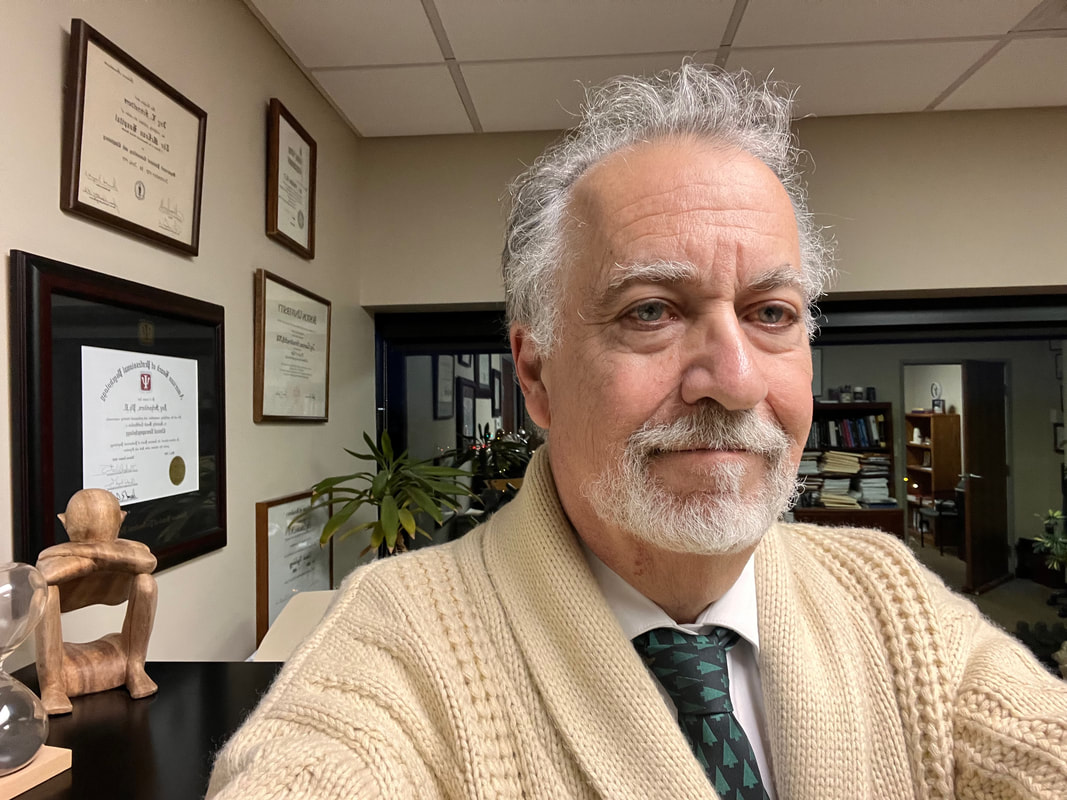
I am a Board Certified Clinical Neuropsychologist and a Board Certified Clinical Health Psychologist (i.e., I am trained to offer behavioral medicine care), who sees patients to evaluate and address cognitive, psychological and neurobehavioral issues caused by a variety of conditions:
- Complex memory loss problems/medical disorders & the various dementias
- Movement Disorders: Parkinson's disease and atypical Parkinson's disorders,
Progressive Supranuclear Palsy, Multiple Systems Atrophy, Huntington's disease
- Epilepsy and other seizure disorders
- Brain Tumors/cerebral neoplasms
- Fronto-temporal Diseases (Primary progressive aphasia, corticobasal ganglionic degeneration [CBD or CBGD], semantic dementia
- Stroke and other cerebrovascular accidents (e.g., brain bleeds/ hemorrhage/aneurysm)
- Effect of cardiovascular disease / heart attacks, diabetes, sleep disorders (apnea, restless legs,, RBD) on cognitive function
- Multiple sclerosis
- "Long-Covid-19," West Nile Virus and other infectious disease post-viral
syndrome cognitive changes and decline
- Metabolic and other encephalopathies (e.g., hepatic encephalopathy, anoxia, viral meningitis or encephalitis, post-operative or post- chemotherapy cognitive changes, etc.)
If you are unsure about whether to come in for a neuropsychological consultation and/or exam, please call our office and/or consult with your primary care or referring physician as to whether your evaluation is presently recommended. My nurse/practice manager, Rhea, will be able to guide you about whether I am the right doctor for your evaluation and/or care.
OUR PRACTICE IS DEFINITELY 'OLD SCHOOL.'
IF YOU READ FURTHER IN THE VARIOUS SECTIONS OF THIS WEBSITE, YOU'LL SEE THAT DR. SCHNEIDERS OPERATES DIFFERENTLY FROM THE PERVASIVE 'CORPORATE-OWNED' PRACTICE MODEL THAT'S BECOME PREVALENT ACROSS CLINICS AND NEUROPSYCHOLOGICAL PRACTICES NOW.
THREE OF THESE MAJOR DIFFERENCES ARE:
FIRST, DR. SCHNEIDERS PERFORMS HIS OWN CLINICAL EXAMINATIONS. HE ADMINISTERS ALL TESTS AND PROCEDURES TO PATIENTS HIMSELF, AND DOES NOT HAVE FOLKS GO OFF WITH A TECHNICIAN WHO INSTEAD ADMINISTERS THE HOURS OF TESTING. THAT WAY, YOU AND HE CAN STOP SOMETIMES AND CAN TALK ABOUT YOUR OWN THOUGHTS REGARDING WHY YOU MAY HAVE HAD TROUBLE ON A TASK. TOO, SOMETIMES DR. SCHNEIDERS MAY DECIDE CERTAIN PLANNED TESTS CAN ACTUALLY BE OMITTED WITHOUT LOSING IMPORTANT CLINICAL INFORMATION, AND AS THE DOCTOR, HE CAN MAKE THAT DECISION DURING THE COURSE OF YOUR EXAM ITSELF.
FINALLY, SHOULD YOU REALIZE WHILE YOU'RE WORKING TOGETHER THAT SOMETHING YOU HADN'T REMEMBERED TO MENTION AS A PROBLEM BEFORE IS A CONCERN, HE CAN ADD APPROPRIATE TASKS TO ASSESS THAT WITH YOU AS WELL.
SECOND, DR. SCHNEIDERS STARTS OUT TALKING WITH YOU AND YOUR FAMILY (IF YOU BRING FAMILY MEMBERS WITH YOU) FOR SEVERAL HOURS, AND NOT THE USUAL HOUR OR LESS INTERVIEW PRIMARILY GOING OVER YOUR PAPERWORK. WITHOUT UNDERSTANDING YOUR MEDICAL AND PSYCHOLOGICAL HISTORIES, AND IMPORTANT ASPECTS OF YOUR LIFE AND 'WHO YOU ARE' IN SOME DEPTH, HE HAS FOUND THAT SIMPLE SCORES OBTAINED ON TESTS CAN BE MISLEADING. DR. SCHNEIDERS WAS TRAINED TO CONSIDER TEST SCORES IN THE BROADER AND NUANCED CONTEXT OF THE PERSON HE IS WORKING WITH AND TO THINK ABOUT THOSE SCORES IN TERMS OF THE MANY COMPLEX FACTORS THAT CAN INFLUENCE THEM AND WHAT THEY THEN MEAN CLINICALLY.
THIRD: DR. SCHNEIDERS' REPORTS CANNOT BE COMPLETED QUICKLY, SOMETHING HE TRULY DOES REGRET. HE SEES PATIENTS FOUR DAYS A WEEK (TO KEEP WAITING LISTS, BAD AS THEY ARE, AS SHORT AS POSSIBLE, AND TO FIT IN URGENT PATIENTS AS QUICKLY AS CAN BE DONE). BUT ALSO BECAUSE OF HIS ADDITIONAL MEDICAL/HEALTH PSYCHOLOGY TRAINING AND BACKGROUND, DR. SCHNEIDERS' REPORTS ARE VIRTUALLY ALWAYS FAIRLY LONG AND VERY COMPREHENSIVE, AND REQUIRE GREATER TIME FOR ANALYSIS AND TO WRITE THAN BRIEF TEST RESULT NOTES DO. FOR THAT REASON, HE'S DECIDED TO VALUE DEPTH OVER SPEED, GIVEN THE COMPLEXITIES OF PATIENTS' SYMPTOMS, PROBLEMS, CLINICAL HISTORIES, AND LIVES WHICH HE ALWAYS WANTS TO CONSIDER IN CONTEXT. AS DR. SCHNEIDERS WILL MENTION WHEN YOU MET HIM, HE NOT ONLY PERFORMS THE GOLD STANDARD 'BRAIN FUNCTION MAPPING' TESTING WITH YOU THAT'S AT THE HEART OF A NEUROPSYCHOLOGIST'S JOB -- HE ALSO STRIVES TO COME UP WITH POTENTIAL WAYS TO TREAT PROBLEMS YOU'RE EXPERIENCING AND IMPROVE OR 'TUNE UP' YOUR FUNCTIONING, AND IMPORTANTLY TO IDENTIFY FACTORS THAT MAY HELP YOU PREVENT OR LESSEN THE LIKELIHOOD OF SERIOUS PROBLEMS FROM DEVELOPING FOR YOU IN TERMS OF YOUR BRAIN FUNCTION DOWN THE ROAD.
CARE FOLLOWING YOUR EVALUATION
- Unlike many neuropsychologists practicing today, Dr. Schneiders feels simply reporting on a patient's neurocognitive or neuropsychological status is not adequate care when people are faced with conditions that sometimes significantly and painfully affect their lives in the world, aspects of their basic functioning, and their families and loved ones as well. For that reason, in addition to consultations and cognitive examinations, he is committed to offering on-going clinical and supportive care over time to his patients who wish and need it, when appropriate.
DEEP BRAIN STIMULATION SURGERY PRE-OPERATIVE EVALUATIONS
For over two decades, Dr. Schneiders' practice has included evaluating patients in the process of considering Deep Brain Stimulation neurosurgery (DBS) for conditions such as medically refractory Parkinson's disease, Essential Tremor, and Dystonia.
EPILEPSY SURGERY EVALUATIONS
Beginning in 1992, Dr. Schneiders has evaluated patients who require pre-operative examinations to help determine operative safety, risk/benefit estimation, and neurosurgical/neuropsychological needs as well as their appropriateness for seizure surgery. He also spent more than 15 years in the operating room, mapping patients' brains while they were awake for their neurosurgical operations to ensure optimal outcomes in terms of speech, language and memory function following their resections.
PRACTICE LIMITATIONS
Dr. Schneiders' practice does not include: evaluations of patients who have cognitive or other changes that have resulted directly or primarily from a recent concussive traumatic brain injury (TBI), patients under the age of 18 years of age, patients with psychiatric emergencies (i.e., acutely suicidal, homicidal or psychotic individuals), general psychotherapy patients, or persons who wish basic learning disability evaluations for school or education purposes only.
He does not do forensic evaluations (e.g., pure disability evaluations (i.e., examinations that are not for the purposes of direct clinical care), IMEs, legal competency evaluations, or court-ordered (e.g., custody) evaluations. Please ask Rhea if you are uncertain about your own situation or that of your family member.
At this time I do not provide evaluations for or care of US Immigration Service/Homeland Security agents (ICE). They may consult the AACN or CNS websites to find doctors willing and able to see them.
Please note that I practice neuropsychology, not neurology, medicine, general clinical psychology, or psychiatry.
PSYCHOTHERAPY & COUNSELING
While I no longer can provide general psychotherapy outside the realm of neurological and medical conditions, patients commonly ask me about obtaining such care. In that spirit, I am pleased to offer them my thoughts on that kind of clinical work and what I think important to know, and to ask potential psychotherapists when engaging in such treatment:

| psychotherapy_and.docx |